PORTUGAL
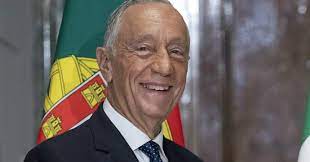
Marcelo Rebelo de Sousa
President of Portugal
"
Portugal’s story is one of transformation, resilience, and commitment to peace. From its revolutionary past to its modern democratic society, Portugal has shown that a harmonious society is built on inclusivity, justice, and sustainability. Today, it stands as a role model, proving that peace is not a distant ideal but an achievable reality rooted in progressive governance and a unified populace.
A Timeless Haven of Peace and Stability
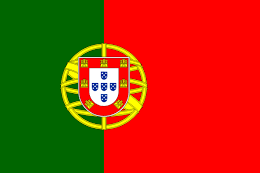
Portugal, a nation with a rich tapestry of history, culture, and innovation, stands as one of the most peaceful countries in the world. Nestled on the Iberian Peninsula, Portugal has consistently ranked high on global peace indices due to its social harmony, progressive policies, and commitment to diplomacy. Its journey from historical upheavals to becoming a beacon of peace is a story of resilience, adaptability, and visionary governance.
Portugal’s Path to Peace: A Historical Perspective
Portugal’s peaceful society is deeply rooted in its historical transitions, cultural identity, and strategic decisions over centuries.
a) Early Kingdoms and Maritime Exploration
Founding of the Portuguese Nation:
Portugal’s origins date back to 1143, when it established its independence from the Kingdom of León. Under the leadership of King Afonso Henriques, Portugal became one of Europe’s earliest nation-states. The peaceful consolidation of its territory ensured long-lasting stability.Age of Discoveries:
During the 15th and 16th centuries, Portugal emerged as a global maritime power, spearheading exploration and trade. While this period brought significant wealth and influence, it also marked the beginning of cultural exchanges that laid the groundwork for Portugal’s diplomatic prowess.
b) Decline of Colonial Power and Peaceful Transition
Unlike many colonial powers, Portugal experienced a relatively peaceful decolonization process in the mid-20th century. The Carnation Revolution of 1974, a bloodless coup, marked the end of Portugal’s authoritarian regime and its colonial era. The transition to democracy was celebrated for its non-violent nature, setting a precedent for modern Portuguese society.
Foundations of Modern Peace in Portugal
a) Strong Democratic Institutions
Portugal’s democracy, established in the aftermath of the Carnation Revolution, has been a cornerstone of its stability. Key features include:
- Rule of Law: The country’s legal framework ensures justice, equality, and protection of civil rights.
- Corruption Control: Portugal has steadily improved its governance by addressing corruption, increasing public trust in institutions.
- Active Civic Engagement: The Portuguese people value their role in shaping governance through free and fair elections.
b) Social Cohesion and Inclusivity
Portugal’s diverse and inclusive society is a vital component of its peaceful environment:
- Immigration and Integration: Portugal is known for its welcoming attitude towards immigrants and refugees. The government prioritizes integration programs that promote cultural understanding and prevent social discord.
- Cultural Identity: Despite its openness, Portugal maintains a strong sense of cultural identity, with shared traditions and values fostering unity among its citizens.
c) Economic Stability
Economic stability plays a crucial role in Portugal’s peace:
- EU Membership: Joining the European Union in 1986 boosted Portugal’s economy and allowed it to align with broader European values of cooperation and peace.
- Tourism and Innovation: Portugal’s thriving tourism industry and growing technology sector have provided opportunities and reduced unemployment, key drivers of social harmony.
Portugal’s Role in Global Peace
Portugal has long been a proponent of international peace, leveraging its history, location, and diplomatic expertise:
a) Advocacy for Multilateralism
- As a founding member of the United Nations, Portugal consistently supports international cooperation to resolve conflicts.
- Its commitment to multilateralism is evident in its active participation in peacekeeping missions and humanitarian efforts worldwide.
b) Non-Aggressive Foreign Policy
Portugal maintains a non-aggressive foreign policy, focusing on mediation and dialogue rather than military interventions. Its historical ties with former colonies in Africa, Asia, and South America have positioned it as a trusted intermediary in international disputes.
c) Championing Human Rights
Portugal’s foreign policy prioritizes human rights and social justice, aligning with global efforts to combat inequality, gender discrimination, and other social challenges.
Social Systems Supporting Peace
a) Education and Social Welfare
- Universal Education: Portugal’s education system emphasizes access and equity, empowering citizens and reducing socio-economic disparities.
- Healthcare Access: The National Health Service ensures that all residents have access to affordable healthcare, fostering societal well-being.
b) Community and Family Values
Portugal’s emphasis on family and community values has created a culture of mutual support and understanding. This societal fabric significantly reduces instances of crime and conflict.
Modern Challenges and Portugal’s Response
Despite its peaceful status, Portugal faces modern challenges that it addresses proactively:
a) Climate Change and Sustainability
As a coastal nation, Portugal is vulnerable to the effects of climate change, such as rising sea levels and extreme weather events. However, it is a leader in renewable energy, particularly wind and solar power, demonstrating its commitment to sustainability.
b) Economic Inequality
While progress has been made, regional disparities in income and opportunities remain. The government’s investment in education, infrastructure, and innovation is closing these gaps.
c) Migration and Urbanization
Increased migration and urbanization have put pressure on resources, but Portugal’s inclusive policies and effective urban planning mitigate potential tensions.
The Global Recognition of Portugal’s Peace
Portugal consistently ranks among the top countries in global peace indices. This recognition stems from:
- Low crime rates and effective law enforcement.
- High levels of trust in government institutions.
- A deeply ingrained culture of respect, tolerance, and hospitality.
Portugal’s Legacy of Peace: Lessons for the World
Portugal’s journey to becoming one of the most peaceful countries offers valuable insights for global leaders:
- Democratic Resilience: Commitment to transparent governance and civic engagement strengthens societal trust.
- Cultural Inclusivity: Embracing diversity while preserving cultural heritage fosters unity.
- Economic Investment: Focusing on education, healthcare, and innovation reduces disparities and conflict.
- Global Diplomacy: Advocating for dialogue and cooperation positions nations as peacebuilders.