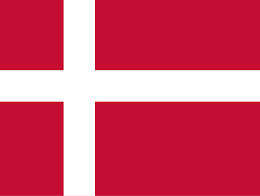
DENMARK
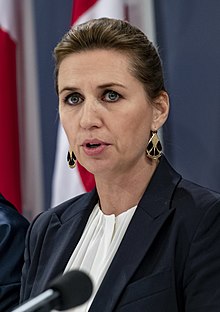
The prime minister of Denmark
Mette Frederiksen
"
Denmark’s peaceful society is a result of centuries of governance, cultural values, and proactive policies. Its dedication to social welfare, equality, and diplomacy not only ensures domestic harmony but also positions it as a global leader in peacebuilding. Denmark’s model demonstrates that peace is not merely the absence of conflict but the presence of justice, equity, and sustainable development.
A History of Peace and Stability
Denmark, often ranked among the world’s most peaceful and happiest nations, has a long-standing tradition of social cohesion, strong governance, and commitment to international peace. Its history, culture, and political systems have played a crucial role in shaping a society that prioritizes harmony, equality, and mutual respect. Here’s an exploration of Denmark’s peaceful history and how it has sustained its reputation as a peaceful nation.
A History of Peace
A History of Peace
a) Early Kingdom and Unification
Viking Era:
Denmark’s early history, during the Viking Age (8th–11th centuries), was marked by exploration and territorial expansion. However, by the 11th century, Denmark transitioned from conquest to consolidation under Christian rule, laying the foundation for a unified and stable kingdom.Transition to Monarchy:
The establishment of the Kalmar Union in 1397, uniting Denmark, Norway, and Sweden, marked a significant period of peace and cooperation. Although the union dissolved in the early 16th century, Denmark’s monarchy continued to focus on stability and governance rather than military aggression.
b) Avoidance of Major Conflicts
Following losses in the 19th century, particularly in the Second Schleswig War against Prussia and Austria in 1864, Denmark shifted its focus inward. It embraced neutrality in global conflicts, including World War I, and pursued policies of peaceful coexistence.
During World War II, Denmark was occupied by Nazi Germany but avoided large-scale destruction by adopting a strategy of cooperation and resistance, preserving much of its population and infrastructure.
Strategies for Maintaining Peace
a) Strong Governance and Democratic Principles
Denmark’s peacefulness is rooted in its transparent and inclusive governance:
- Constitutional Democracy:
Denmark established a constitutional monarchy in 1849, transitioning power to a democratic parliamentary system. The emphasis on rule of law and public accountability has fostered trust between the government and its citizens. - Low Corruption Levels:
Denmark consistently ranks among the least corrupt countries globally, ensuring fair governance and reducing social unrest.
b) Social Equity and Welfare
Denmark’s comprehensive social welfare system ensures a high quality of life for all citizens:
- Universal Healthcare and Education:
Access to free healthcare and education reduces inequality and enhances social cohesion. - Strong Labor Rights:
Denmark’s “flexicurity” model balances job flexibility with security, creating a stable economy that minimizes workplace conflicts.
c) Commitment to Diplomacy and Neutrality
- Denmark has long been a proponent of diplomacy over military action. While it is a NATO member, Denmark’s military engagements are focused on peacekeeping and humanitarian missions.
- It played a pivotal role in the establishment of the United Nations and continues to advocate for multilateral solutions to global challenges.
Modern Contributions to Peace
a) Human Rights and Social Progress
Denmark is a leader in social justice and human rights:
- Gender Equality:
Denmark ranks among the top countries for gender equality, ensuring equal opportunities for men and women in all spheres of life. - LGBTQ+ Rights:
As one of the first countries to legalize same-sex partnerships (in 1989), Denmark is a champion of LGBTQ+ rights and inclusion.
b) Focus on Sustainability
Environmental stewardship is a cornerstone of Denmark’s policies:
- The country aims to become carbon-neutral by 2050, with ambitious renewable energy initiatives, such as its reliance on wind power.
- These efforts not only address climate challenges but also reinforce Denmark’s role in promoting global peace by mitigating resource-driven conflicts.
c) Contributions to Global Peacekeeping
Denmark actively participates in peacekeeping missions and provides significant development aid to conflict-affected regions. Its focus on humanitarian assistance and conflict resolution aligns with its peaceful domestic values.
Challenges and Responses
a) Immigration and Integration
As Denmark becomes more diverse, debates over immigration policies have emerged. While some tension exists, the government and civil society groups work towards better integration and understanding between cultural communities.
b) Economic Transition
Global economic shifts pose challenges, but Denmark’s flexible economy and strong welfare system provide resilience, ensuring minimal societal disruption.
Lessons from Denmark’s Peaceful Model
Denmark offers a blueprint for peace and stability:
- Transparent Governance: Corruption-free institutions foster public trust and social harmony.
- Social Welfare: Equitable access to resources minimizes inequality and associated conflicts.
- Commitment to Dialogue: Diplomacy and multilateralism build international and domestic stability.
- Sustainability Focus: Addressing environmental issues promotes long-term peace and security.