CANADA

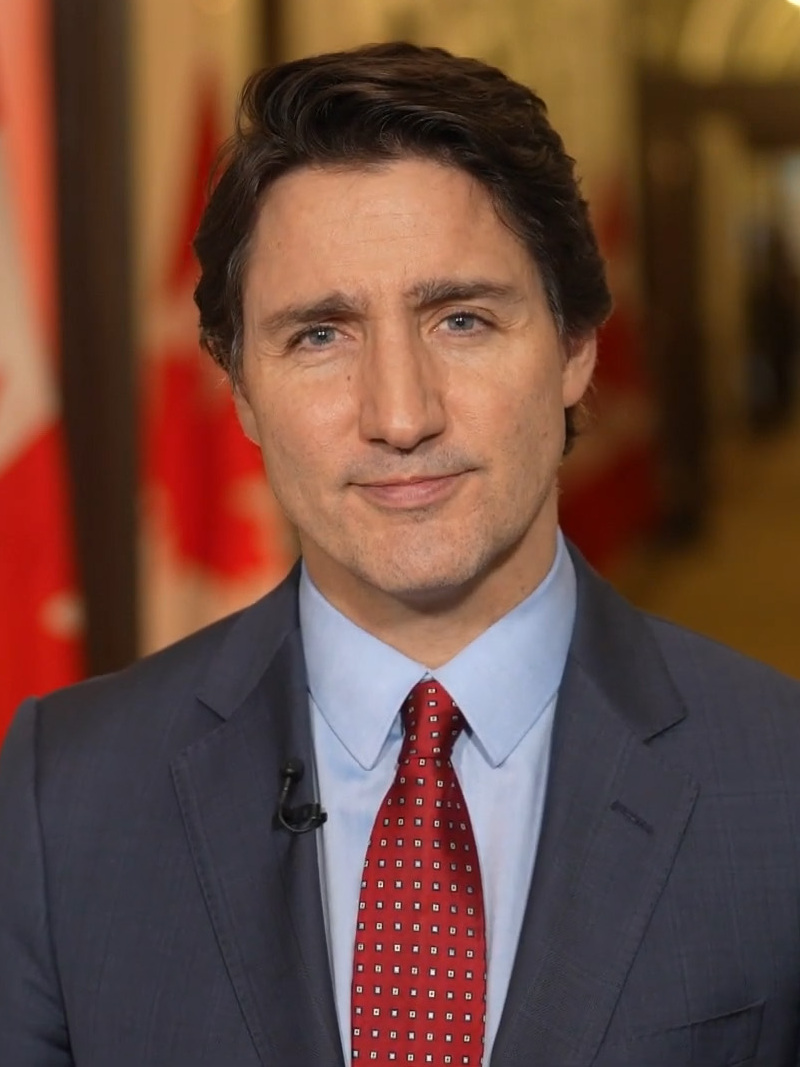
Justin Trudeau
The prime minister of Canada
"
Canada stands as a shining example of how a nation can build and sustain peace through inclusivity, justice, and diplomacy. Its commitment to human rights, strong governance, and environmental sustainability has earned it a place among the most peaceful countries in the world. Canada’s story is not just a testament to the power of harmony but also a call to action for nations worldwide to prioritize peace, justice, and equity. As a global leader in both peacekeeping and humanitarian efforts, Canada continues to inspire and influence the world toward a brighter, more harmonious future.
Canada: A Global Beacon of Peace and Harmony
Canada, often referred to as one of the most peaceful nations in the world, is renowned for its unwavering commitment to multiculturalism, human rights, and global diplomacy. Nestled between the Atlantic and Pacific Oceans, Canada’s vast and diverse landscape mirrors the diversity and inclusivity of its people. However, it is not just the country’s natural beauty or welcoming spirit that sets it apart—it’s also its profound legacy of peace. This page explores Canada’s history of maintaining peace, its domestic and international strategies, and the principles that have shaped its reputation as a bastion of harmony.
A Historical Perspective on Peace
Foundations of Canadian Peace
Canada’s peaceful ethos has deep roots in its history. The early relationships between Indigenous peoples and European settlers laid the groundwork for a country that values negotiation and collaboration. Despite historical injustices, Canada has taken steps toward reconciliation, striving to honor the values of mutual respect and understanding that were foundational in its formation.
Avoidance of Major Conflicts
While Canada has participated in global conflicts, such as the World Wars, it has largely avoided prolonged domestic or regional conflicts. The absence of civil war or significant internal strife has allowed Canada to focus on nation-building and fostering internal harmony.
Canada’s Role as a Global Peacekeeper
A Legacy of Peacekeeping
Canada has long been recognized as a leader in global peacekeeping. Since the creation of the United Nations, Canada has actively contributed to peacekeeping missions, often serving as a mediator in conflicts.
- Lester B. Pearson’s Influence: Canada’s 14th prime minister, Lester B. Pearson, played a pivotal role in shaping modern peacekeeping. His efforts during the Suez Crisis earned him the Nobel Peace Prize in 1957, cementing Canada’s reputation as a global peace advocate.
- Ongoing Contributions: Canadian peacekeepers have been deployed to hotspots around the globe, including Cyprus, Rwanda, and the former Yugoslavia.
Commitment to Multilateralism
Canada’s foreign policy is deeply rooted in multilateralism and collaboration. It is an active member of international organizations such as the United Nations, NATO, and the G7, where it champions dialogue, human rights, and conflict prevention.
Global Humanitarian Efforts
Canada’s peaceful philosophy extends beyond conflict resolution to humanitarian aid. It is a leading donor to international development programs, supporting education, healthcare, and poverty alleviation in developing countries.
Domestic Policies That Foster Peace
Multiculturalism and Inclusivity
One of Canada’s defining features is its multicultural society. With citizens from all corners of the globe, Canada has embraced diversity as a strength rather than a challenge.
- Official Multiculturalism Policy: Introduced in 1971, this policy promotes the preservation of cultural heritage while fostering national unity.
- Immigration and Integration: Canada’s immigration system is designed to promote inclusivity, ensuring that newcomers are welcomed and supported as they integrate into society.
Social Justice and Equity
Canada’s commitment to social justice has been instrumental in maintaining peace and harmony within its borders.
- Universal Healthcare: The publicly funded healthcare system ensures access to medical care for all citizens, reducing social inequalities.
- Education for All: Free and accessible public education promotes social mobility and equality of opportunity.
Indigenous Reconciliation Efforts
While Canada has a complex history with its Indigenous peoples, the government has taken significant steps toward reconciliation:
- Truth and Reconciliation Commission (TRC): The TRC was established to address the impacts of residential schools on Indigenous communities and promote healing.
- Land Acknowledgment: Recognizing Indigenous territories has become a widespread practice, symbolizing respect and a commitment to justice.
Political Stability and Governance
Transparent Institutions
Canada’s peaceful society is underpinned by strong democratic institutions and the rule of law.
- Stable Governance: Canada’s parliamentary democracy ensures political stability through regular, free, and fair elections.
- Low Corruption Levels: Transparent governance and accountability mechanisms have resulted in some of the lowest corruption rates globally.
A Peaceful Society
Canada’s social fabric is characterized by low crime rates and a high standard of living. These factors contribute to a sense of security and well-being for its citizens.
Canada’s Environmental Peace Strategy
Canada recognizes the critical link between environmental sustainability and peace.
- Climate Leadership: As a signatory to the Paris Agreement, Canada is actively working to combat climate change.
- Conservation Efforts: With vast natural resources, Canada has prioritized the preservation of its forests, lakes, and wildlife to ensure sustainable development.
- Indigenous Stewardship: Indigenous communities are increasingly involved in conservation projects, promoting collaboration and mutual respect.
Canada’s Contributions to Global Stability
Championing Human Rights
Canada is an outspoken advocate for human rights on the global stage:
- Feminist Foreign Policy: Canada promotes gender equality as a cornerstone of its international development strategy.
- Support for Refugees: Canada is one of the world’s leading countries in refugee resettlement, offering safe havens to those fleeing conflict and persecution.
Conflict Mediation
Canada often acts as a neutral mediator in international disputes, leveraging its reputation for fairness and impartiality. Its ability to foster dialogue and compromise has helped to de-escalate tensions in various regions.
Challenges and Resilience
Addressing Inequality
While Canada is known for its equity, challenges remain, particularly in addressing income inequality and systemic racism. However, proactive policies and national conversations continue to drive progress.
Climate Change
As a resource-rich nation, Canada faces the challenge of balancing economic development with environmental responsibility. The country’s commitment to sustainability ensures that it is actively seeking solutions.
Why Canada Is a Model of Peace
Canada’s peaceful society is not the result of chance but deliberate policies and values. Key elements include:
- Inclusivity and Multiculturalism: A society that embraces diversity fosters harmony and mutual respect.
- Strong Social Policies: Universal healthcare, education, and social support systems reduce inequality and promote stability.
- Commitment to Neutrality and Diplomacy: Canada’s focus on dialogue and collaboration strengthens its role as a global peacemaker.
- Environmental Stewardship: Recognizing the link between environmental health and societal well-being ensures a sustainable future.