AUSTRIA

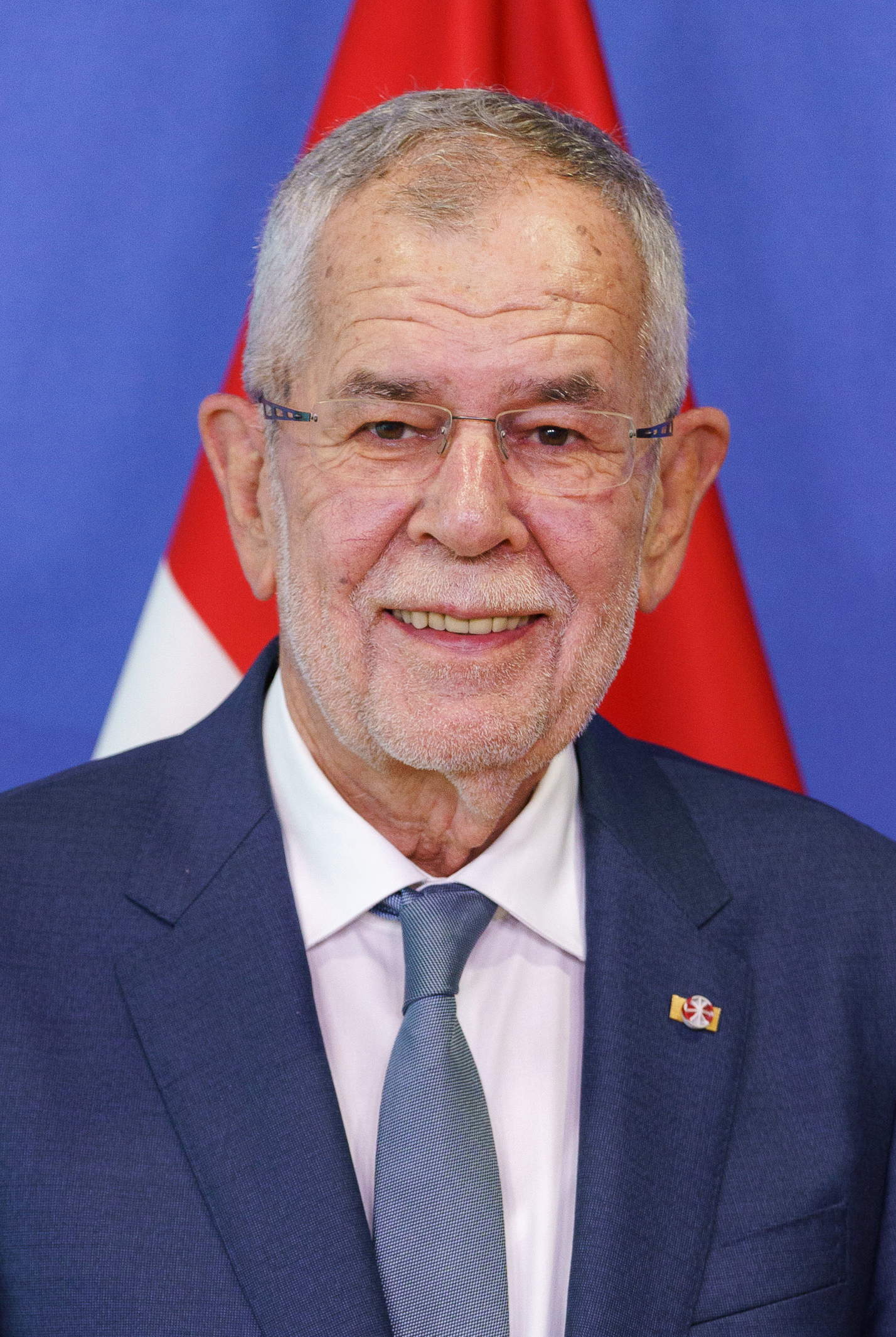
Alexander Van der Bellen
The President of Austria
"
Austria stands as a testament to the power of neutrality, inclusivity, and proactive governance. From its tumultuous history to its modern role as a global peacemaker, Austria has charted a unique course toward lasting peace and prosperity. Its legacy of diplomacy and social cohesion continues to inspire nations worldwide, offering a model for building a harmonious and stable society. Austria’s story reminds us that peace is not only achievable but sustainable when rooted in justice, equity, and mutual respect.
Austria: A Legacy of Peace and Stability in Central Europe
Austria, the landlocked jewel in Central Europe, is widely celebrated for its enduring peace, political stability, and commitment to neutrality. A country steeped in history and culture, Austria has transformed itself from the heart of vast empires and turbulent wars into one of the most peaceful nations in the world. This webpage delves into Austria’s journey toward peace, its neutral stance in global politics, and the policies that have solidified its reputation as a haven of tranquility and diplomacy.
A Historical Journey to Peace
The Austro-Hungarian Empire and Its Legacy
For centuries, Austria was the center of the Austro-Hungarian Empire, a vast and multi-ethnic realm that dominated Europe. The empire’s collapse after World War I in 1918 marked a pivotal moment in Austria’s history. Despite the turmoil of its imperial past, Austria began forging a new identity as a smaller, more cohesive nation.
World War II and Neutrality
Austria faced immense challenges during World War II, having been annexed by Nazi Germany in 1938. After the war, Austria was occupied by Allied forces, but in 1955, the Austrian State Treaty restored its sovereignty on the condition of permanent neutrality. This neutrality became the cornerstone of Austria’s modern identity, allowing it to avoid alignment with either side during the Cold War.
Austria’s Commitment to Neutrality
Neutrality is not just a political stance for Austria; it is a deeply ingrained value that defines its foreign policy and national character.
The Austrian State Treaty of 1955
Austria’s declaration of neutrality is a direct result of the Austrian State Treaty, which ensured that the country would never join a military alliance or allow foreign military bases on its soil. This commitment has allowed Austria to maintain peaceful relations with both Western and Eastern blocs.
A Bridge Between East and West
Austria’s geographical position between Western Europe and the former Eastern Bloc made it a crucial mediator during the Cold War. Vienna became a hub for international diplomacy, hosting key negotiations and international organizations, including the Organization for Security and Co-operation in Europe (OSCE) and the United Nations offices.
A Modern Haven of Peace and Stability
Strong Democratic Institutions
Austria’s stable democracy is a fundamental pillar of its peaceful society.
- Transparent Governance: Low levels of corruption and strong legal systems ensure justice and equality.
- Political Stability: A well-functioning multi-party system ensures representation and balance in policymaking.
Economic Prosperity
Austria’s peace is closely tied to its economic success:
- High Living Standards: A robust economy provides citizens with access to healthcare, education, and social services.
- Equality: Policies promoting wealth distribution and social mobility reduce economic disparities, preventing social tensions.
- Innovation and Tourism: Austria’s thriving cultural tourism and high-tech industries sustain growth and national cohesion.
Cultural Cohesion
Austria’s rich cultural heritage, from classical music to world-renowned art and architecture, fosters a strong sense of national pride and unity. Shared cultural experiences promote mutual understanding and respect among its citizens.
Austria’s Role in Global Peacekeeping
Contributions to the United Nations
Although neutral, Austria is far from passive in international affairs. It is an active member of the United Nations and contributes to global peacekeeping missions. Austrian troops have participated in peace operations in regions like the Balkans and the Middle East, underscoring its commitment to global stability.
Diplomatic Hub
Vienna has earned a reputation as an international city of peace, hosting numerous organizations and conferences aimed at resolving global conflicts. The city’s status as a neutral ground for dialogue reinforces Austria’s role as a peacemaker on the world stage.
Humanitarian Efforts
Austria is a staunch advocate for human rights and humanitarian assistance. It has provided support for refugees and victims of conflicts worldwide, further cementing its reputation as a country committed to global well-being.
Social Policies That Foster Peace
Inclusion and Diversity
Austria’s commitment to inclusion is reflected in its progressive social policies:
- Support for Immigrants: Austria has implemented programs to integrate immigrants and refugees, fostering a harmonious multi-ethnic society.
- Gender Equality: Laws promoting gender equality and women’s rights have advanced Austria’s social stability.
Education and Social Mobility
The country places a high value on education and opportunities for all:
- Accessible Education: A strong public education system ensures that every citizen has access to quality learning.
- Vocational Training: Austria’s dual education system, which combines apprenticeships with classroom learning, equips young people with skills for the workforce.
Challenges and Resilience
Migration and Integration
Austria has faced challenges related to migration, particularly during the European refugee crisis. While these issues have sparked debates, Austria’s commitment to dialogue and inclusive policies has helped to mitigate tensions and maintain peace.
Environmental Sustainability
Austria has prioritized environmental policies to combat climate change, understanding that sustainable development is key to long-term stability. The nation’s reliance on renewable energy sources and its preservation of natural landscapes reflect its forward-thinking approach.
Recognition as a Peaceful Nation
Austria is consistently ranked among the world’s most peaceful countries on the Global Peace Index. Factors contributing to this recognition include its low crime rates, stable government, and active role in international diplomacy.
Lessons from Austria’s Peaceful Model
Austria’s journey demonstrates that peace is not accidental—it is the result of deliberate choices, inclusive policies, and a commitment to dialogue. Key takeaways from Austria’s success include:
- Neutrality as Strength: Remaining impartial in conflicts allows for bridges to be built rather than walls.
- Social Equality: Economic and social policies that reduce inequality foster harmony.
- Cultural Diplomacy: Investing in cultural and educational institutions creates shared values and understanding.
- Active Engagement: Neutrality does not mean disengagement; Austria shows that proactive diplomacy can make a difference.