SWEDEN
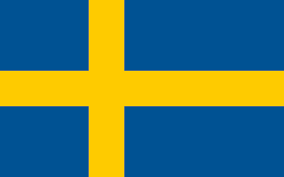
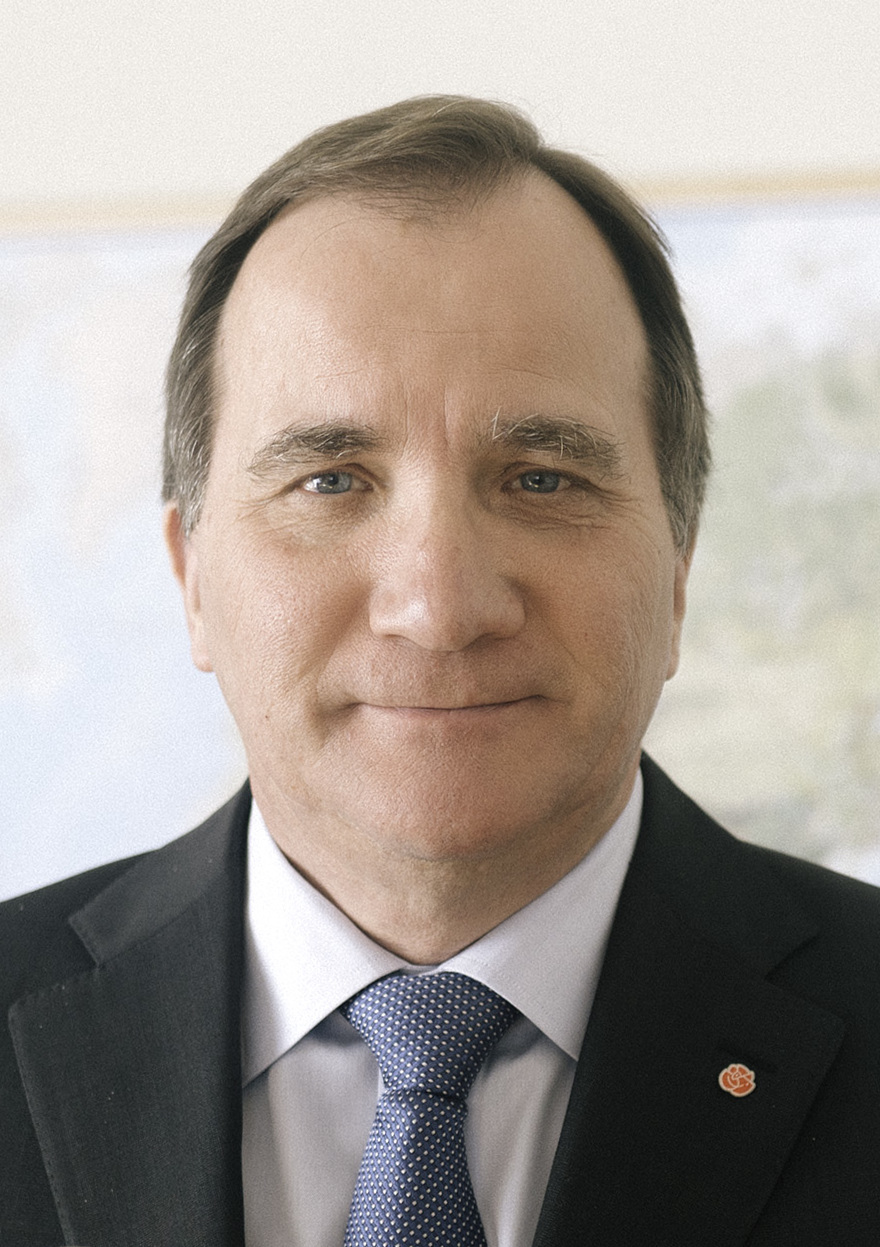
The prime minister of Sweden
Ulf Hjalmar Kristersson
"
Sweden exemplifies what it means to be a peaceful nation, balancing social justice, environmental leadership, and global diplomacy. Its history of neutrality, strong domestic policies, and commitment to human rights have solidified its reputation as a global leader in peace. As Sweden continues to address new challenges with resilience and innovation, it remains a shining example of how a nation can achieve harmony both at home and on the world stage.
Sweden: A Legacy of Peace and Neutrality
Sweden has long been celebrated as one of the most peaceful nations in the world. Known for its neutrality, robust welfare system, and commitment to human rights, the Scandinavian country has consistently ranked high in global peace and happiness indices. While Sweden’s picturesque landscapes of serene forests, glittering lakes, and tranquil villages reflect peace, it is the country’s social and political systems that have truly established it as a beacon of stability and harmony. This page delves into Sweden’s history of peace, its neutrality in global conflicts, and the values that underpin its domestic and international reputation for maintaining peace.
Historical Foundations of Sweden’s Peaceful Reputation
A Legacy of Neutrality
Sweden’s peaceful identity began to take shape in the 19th century. After centuries of involvement in European wars, including its participation as a major military power during the Thirty Years’ War (1618–1648), Sweden shifted its stance toward neutrality.
- End of Military Engagements: The Treaty of Kiel in 1814 marked Sweden’s last war. After losing Finland to Russia in 1809 and relinquishing Norway in 1905, Sweden chose to focus on internal development rather than territorial expansion.
- Neutrality in World Wars: Sweden maintained neutrality in both World War I and World War II, opting for diplomacy and humanitarian aid rather than direct involvement in military conflicts. This neutrality became a cornerstone of its foreign policy.
Avoidance of Alliances
Sweden’s policy of non-alignment has allowed it to stay out of military alliances like NATO, even during the Cold War. Instead, the country focused on mediation, humanitarian efforts, and fostering international cooperation.
A Leader in Global Peace Initiatives
Mediation and Conflict Resolution
Sweden has established itself as a trusted mediator in global conflicts. Its neutrality and reputation for fairness have made it a key player in international diplomacy:
- Dag Hammarskjöld’s Legacy: As the second Secretary-General of the United Nations (1953–1961), Swedish diplomat Dag Hammarskjöld exemplified Sweden’s commitment to global peace, earning respect for his role in international mediation and crisis resolution.
- Peace Talks and Negotiations: Sweden has hosted numerous peace negotiations, such as the Yemen peace talks in 2018, underscoring its commitment to dialogue over conflict.
Commitment to Humanitarian Aid
Sweden is a leading contributor to global development and humanitarian assistance. It consistently allocates 1% of its GDP to foreign aid, focusing on poverty alleviation, education, and healthcare in developing countries.
Support for the United Nations
Sweden has been an active supporter of the UN and its peacekeeping missions. The country provides both financial and personnel contributions to promote stability in conflict regions.
Domestic Policies That Promote Peace
Strong Social Welfare System
Sweden’s comprehensive welfare state is central to its peaceful society. By ensuring that all citizens have access to basic needs, Sweden minimizes social inequalities that often lead to unrest.
- Universal Healthcare and Education: Free healthcare and education reduce disparities and promote equal opportunities for all citizens.
- Generous Social Security: Support for families, unemployment benefits, and pensions ensures a high standard of living for all, fostering social harmony.
Focus on Equality and Inclusion
Sweden’s commitment to gender equality, human rights, and minority inclusion has made it a leader in social justice.
- Gender Equality: Sweden consistently ranks as one of the most gender-equal countries in the world, with policies supporting parental leave, equal pay, and women’s representation in politics.
- Immigration Policies: Sweden has welcomed refugees and migrants, integrating them into society through education, housing, and job opportunities.
Low Crime Rates and Strong Institutions
Sweden’s transparent governance and effective law enforcement contribute to its low crime rates and high trust in public institutions.
- Rule of Law: Sweden’s legal framework ensures fairness, justice, and protection for all citizens.
- Corruption-Free Governance: Ranked as one of the least corrupt countries globally, Sweden’s political stability reinforces its peaceful society.
Education and Peaceful Mindsets
Sweden’s emphasis on education plays a crucial role in shaping a peaceful society.
- Promoting Critical Thinking: Schools in Sweden focus on fostering critical thinking, tolerance, and cooperation among students.
- Sustainability Education: Environmental education is deeply ingrained in Sweden’s curriculum, teaching young generations the importance of harmony with nature and society.
Sweden’s Green Peace Strategy
Environmental Leadership
Sweden is a pioneer in environmental sustainability, recognizing the link between ecological health and global peace.
- Carbon-Neutral Goals: Sweden aims to become carbon neutral by 2045, leading efforts in renewable energy and green innovation.
- Circular Economy: Policies encouraging recycling, waste reduction, and sustainable resource use contribute to Sweden’s peaceful coexistence with nature.
Collaboration with Indigenous Communities
Sweden works with its Indigenous Sami population to preserve cultural heritage and promote sustainable land use, fostering mutual respect and understanding.
International Peace Advocacy
Promoting Disarmament
Sweden is a staunch advocate for nuclear disarmament and has played a prominent role in global arms control initiatives. Its work in promoting treaties like the Treaty on the Non-Proliferation of Nuclear Weapons (NPT) reflects its commitment to a safer world.
Feminist Foreign Policy
In 2014, Sweden became the first country to adopt a feminist foreign policy, emphasizing gender equality, women’s rights, and inclusivity in global diplomacy. This approach strengthens peace by addressing root causes of inequality and conflict.
Championing Human Rights
Sweden’s foreign policy prioritizes human rights, freedom of expression, and democracy promotion. It actively supports oppressed communities and individuals worldwide.
Challenges and Resilience
Immigration and Integration
While Sweden’s open-door policy for refugees has been praised, it has also posed challenges in integrating newcomers. The country has responded by investing in programs that promote cultural understanding and economic opportunities.
Rising Populism
In recent years, Sweden has faced the rise of populist movements. However, its commitment to democratic values and open dialogue ensures that such challenges are met with resilience.
Why Sweden Stands as a Model of Peace
Sweden’s peaceful society is not an accident but the result of intentional policies, strong governance, and deeply held cultural values. Key factors include:
- Commitment to Neutrality: A longstanding policy of avoiding military alliances has kept Sweden out of global conflicts.
- Strong Welfare State: Social equality and security create a harmonious society.
- Global Leadership in Peacekeeping: Sweden actively promotes peace through diplomacy and humanitarian aid.
- Environmental Stewardship: Sustainability is central to Sweden’s vision for a peaceful future.