Slovenia
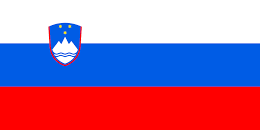
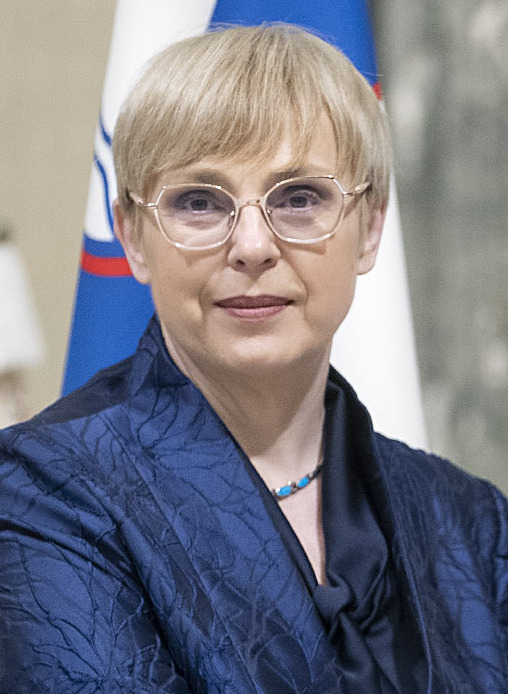
The prime minister of Slovenia
Nataša Pirc Musar
"
Slovenia is more than a scenic gem in Central Europe; it is a testament to the power of peace and cooperation. Through its rich history, strong governance, and commitment to inclusivity, Slovenia has created a society where harmony thrives. Its example reminds us that peace is not merely the absence of conflict—it is the presence of justice, equality, and opportunity for all. Slovenia’s story inspires the world, proving that even a small nation can lead the way in building a brighter, more peaceful future.
Slovenia: A Beacon of Peace in the Heart of Europe
Nestled in the heart of Europe, Slovenia is a country renowned for its tranquility, stability, and commitment to peaceful coexistence. Despite its modest size, Slovenia has built a reputation as one of the world’s most peaceful nations, achieving this status through its rich history, inclusive governance, and forward-thinking policies. This webpage explores Slovenia’s journey toward peace, the factors that contribute to its harmonious society, and the lessons it offers the world.
Historical Path to Peace
A Land of Diversity and Coexistence
Slovenia’s history is defined by its location at the crossroads of Slavic, Germanic, and Romance cultures. This unique position fostered a tradition of cultural exchange and mutual respect, laying the groundwork for a peaceful society.
Medieval Stability
During the Middle Ages, Slovenia was part of the Holy Roman Empire and later the Habsburg Monarchy. While under foreign rule, Slovenians developed a strong sense of identity and community. Their ability to preserve their culture and language amidst changing political landscapes contributed to a stable and harmonious social fabric.
Independence Through Diplomacy
The 20th century brought significant changes, including Slovenia’s inclusion in the Kingdom of Serbs, Croats, and Slovenes (later Yugoslavia). Slovenia declared its independence from Yugoslavia in 1991, and its separation was remarkably peaceful, marked by a brief 10-day conflict. The country’s swift establishment as a democratic state solidified its reputation for prioritizing diplomacy and dialogue over prolonged conflict.
Building a Harmonious Society
Democratic Governance
Slovenia’s peace is rooted in its democratic principles:
- Rule of Law: Strong legal institutions ensure justice, fairness, and equality, preventing social unrest.
- Citizen Participation: Slovenians actively engage in political processes, fostering trust in their institutions.
- Transparency: Low corruption levels and open governance contribute to public confidence in leadership.
Economic Equality
Slovenia’s economy is among the most advanced in Central Europe, providing its citizens with stability and opportunities:
- Universal Benefits: Access to healthcare, education, and social welfare ensures equality and reduces societal tensions.
- Focus on Sustainability: By investing in green energy and innovation, Slovenia secures its economic future while preserving the environment.
Education and Cultural Identity
Education plays a vital role in maintaining peace in Slovenia:
- High Standards: The country’s strong emphasis on education equips citizens with critical thinking skills and social awareness.
- Cultural Pride: Slovenia’s preservation of its language, traditions, and arts fosters a unified national identity.
Contributions to Global Peace
Diplomatic Leadership
As a member of the European Union (EU), NATO, and the United Nations, Slovenia is an advocate for global stability. It actively supports diplomatic solutions to international conflicts and promotes regional cooperation in Central and Southeastern Europe.
Peacekeeping Missions
Slovenia has contributed troops and resources to international peacekeeping missions, reinforcing its commitment to global harmony. These efforts highlight its role as a responsible member of the international community.
Environmental Peacebuilding
Slovenia’s focus on sustainability extends beyond its borders. By championing environmental causes, it addresses the root causes of resource-driven conflicts and sets an example for sustainable development.
Social Systems That Foster Peace
Inclusion and Equality
Slovenia’s inclusive policies ensure that all citizens feel valued:
- Support for Minorities: Protections for ethnic minorities and marginalized groups foster a sense of belonging.
- Gender Equality: Slovenia ranks highly in gender equality, with women enjoying equal rights and opportunities in all sectors.
Low Crime Rates
Slovenia is one of the safest countries in the world, with effective policing and strong community ties contributing to low levels of crime.
Modern Challenges and Responses
Managing Migration
As a gateway to Europe, Slovenia has faced challenges related to migration. However, its focus on humanitarian aid and integration has allowed it to address these issues peacefully.
Climate Change
Rising temperatures and environmental degradation pose risks to Slovenia’s natural beauty. The country’s proactive environmental policies aim to combat these challenges while preserving peace and stability.
Recognition of Peace and Stability
Slovenia’s peacefulness has been recognized on the global stage:
- Global Peace Index: Regularly ranked as one of the most peaceful countries in the world.
- Green Tourism Awards: Celebrated for its sustainable tourism practices, which enhance both its economy and environment.
The Slovenian Way: Lessons for the World
Slovenia’s success as a peaceful nation offers valuable lessons:
- Invest in Education: Informed citizens are key to a harmonious society.
- Promote Sustainability: Addressing environmental challenges contributes to long-term peace.
- Foster Inclusivity: Respecting diversity strengthens national unity.
- Commit to Dialogue: Diplomacy and compromise prevent conflict.