NEW ZEALAND
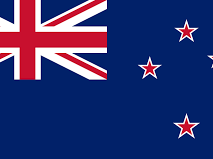

The prime minister of New Zealand
Christopher Luxon
"
New Zealand’s peace is deeply rooted in its cultural respect, equitable governance, and proactive policies. By blending indigenous wisdom with modern values, New Zealand has created a society where harmony thrives. It remains a powerful example of how understanding, inclusivity, and sustainability can pave the way for enduring peace.
The Peaceful Legacy of New Zealand: A Model for Harmony
New Zealand, a land of breathtaking landscapes, is equally admired for its peaceful society and stable governance. Its history, cultural values, and proactive policies have contributed to a reputation as one of the most harmonious and inclusive nations globally. Here’s an in-depth exploration of New Zealand’s peaceful history and how it continues to thrive as a beacon of peace.
A History of Peace
a) Early Settlements and Bicultural Foundations
New Zealand’s peaceful identity is shaped by its historical and cultural foundations:
Māori Settlements:
The indigenous Māori people settled in New Zealand around 1250–1300 AD, forming a rich cultural and spiritual connection with the land. While pre-colonial conflicts existed among iwi (tribes), they were often localized and driven by resource disputes, rather than large-scale wars.Colonial Era:
European settlers arrived in the 19th century, leading to significant cultural interactions. The Treaty of Waitangi (1840) was signed between Māori chiefs and the British Crown, establishing a framework for shared governance. While the treaty’s implementation has been fraught with challenges, it remains a cornerstone of New Zealand’s efforts to achieve bicultural harmony.
b) Avoidance of Large-Scale Wars
New Zealand has never experienced a major internal or external war on its soil. While it participated in both World Wars and later conflicts, its focus has always been on peacekeeping rather than aggression.
Strategies for Maintaining Peace
a) Commitment to Social Equity
New Zealand actively works to reduce inequalities and promote inclusivity:
Bicultural and Multicultural Integration:
Efforts to honor the Treaty of Waitangi and address historical injustices have strengthened relations between Māori and non-Māori populations. The government actively promotes the preservation of te reo Māori (the Māori language) and indigenous customs, fostering mutual respect.Social Welfare and Equity:
New Zealand offers a robust social safety net, including universal healthcare and accessible education. These systems ensure basic needs are met, minimizing social unrest.
b) Transparent Governance
New Zealand is consistently ranked among the least corrupt countries globally. Its democratic and transparent governance promotes trust between citizens and the state, ensuring that conflicts are resolved through dialogue rather than confrontation.
c) Emphasis on Environmental Stewardship
The Māori worldview of kaitiakitanga (guardianship) aligns with New Zealand’s national emphasis on environmental protection. This shared respect for the land fosters unity among its people and contributes to global peace by addressing ecological challenges.
d) Active Peacekeeping and Diplomacy
New Zealand plays a significant role in international peace efforts:
- It is a staunch advocate for nuclear disarmament, famously declaring itself a nuclear-free zone in 1984.
- The country actively participates in United Nations peacekeeping missions, reflecting its commitment to global stability.
Modern Contributions to Peace
a) Low Crime and High Safety
New Zealand consistently ranks highly on the Global Peace Index due to its low crime rates, strong rule of law, and effective policing strategies.
b) Progressive Policies
The country is known for its progressive stance on social issues:
- Gender Equality: New Zealand was the first country to grant women the right to vote (in 1893), setting a precedent for inclusive governance.
c) Community Resilience
Even in the face of challenges, such as the Christchurch mosque attacks in 2019, New Zealand’s response has been a testament to its peaceful ethos. The government, led by Prime Minister Jacinda Ardern at the time, emphasized unity, empathy, and decisive action, such as swiftly enacting stricter gun control laws.
Challenges and Responses
Environmental Stewardship:
Iceland’s focus on sustainability contributes to global peace by addressing climate issues that can lead to resource conflicts.Human Rights Advocacy:
The country is a vocal advocate for human rights on the international stage, aligning its domestic values with its global contributions.Peaceful Society Rankings:
Iceland has topped the Global Peace Index (GPI) for over a decade due to its low crime rates, absence of militarization, and effective governance.
Challenges and Responses
a) Addressing Historical Injustices
While significant progress has been made, New Zealand continues to address historical grievances through initiatives like the Waitangi Tribunal, which resolves land disputes and ensures Māori voices are heard in policymaking.
b) Balancing Growth and Sustainability
As New Zealand’s population and tourism grow, there are challenges in managing resources sustainably. However, the nation’s commitment to conservation and renewable energy solutions demonstrates proactive leadership.
Lessons from New Zealand’s Peaceful Model
New Zealand’s approach to peace provides valuable lessons for other nations:
- Bicultural Cooperation: Recognizing and respecting indigenous cultures fosters national unity.
- Progressive Leadership: Inclusive policies promote social cohesion and equality.
- Global Responsibility: Commitment to peacekeeping and environmental stewardship strengthens international standing.
- Resilience in Adversity: Compassionate leadership and decisive actions during crises ensure stability.