ICELAND
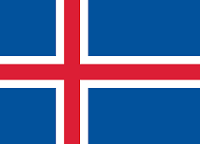
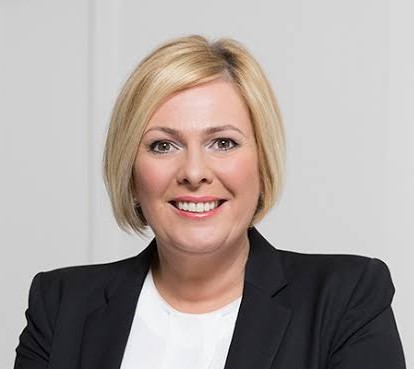
PRESIDENT: Halla Tómasdóttir
"
Iceland’s peace is not accidental but the result of centuries of cultural, political, and social development. Its emphasis on equality, democracy, and diplomacy makes it a beacon of hope in a world often marked by conflict. By studying Iceland’s example, other nations can find inspiration for creating societies rooted in harmony and mutual respect.
The History of peace and Stability of Iceland
Iceland is widely recognized as one of the most peaceful nations globally. Its unique history, cultural values, and political practices have shaped a country known for its social harmony and commitment to peace. Here’s a detailed exploration of Iceland’s peaceful legacy and how it continues to maintain this status.
A History of Peace
Iceland’s history as a peaceful nation is rooted in its early establishment and governance:
The Settlement Era (9th–10th Century):
Iceland was settled by Norse Vikings fleeing conflicts in Scandinavia. Unlike their mainland counterparts, Icelandic settlers emphasized cooperation and self-governance. The Althing, established in 930 AD, is one of the world’s oldest parliaments, reflecting the nation’s commitment to resolving disputes democratically.Colonial Era and Independence:
Although Iceland came under the control of Norway and later Denmark, its geographical isolation shielded it from many European conflicts. Iceland gained full independence from Denmark in 1944 through a peaceful referendum, further cementing its tradition of nonviolence.Avoidance of Armed Conflict:
Iceland has never had a standing military, relying on diplomacy and international agreements for security. This choice has kept the country out of direct involvement in global wars. Its commitment to peace was further underscored when Iceland became a founding member of NATO in 1949 but maintained its non-military stance.
Strategies for Maintaining Peace
a) Social Equality and Inclusivity
Iceland has a high degree of social equality, supported by progressive policies:
Gender Equality:
Iceland consistently ranks as one of the most gender-equal countries in the world. It was the first country to democratically elect a female president, Vigdís Finnbogadóttir, in 1980, symbolizing its commitment to inclusivity.Strong Social Welfare:
Robust healthcare, education, and social security systems ensure that citizens have access to basic needs, reducing the socioeconomic disparities that often lead to unrest.
b) Commitment to Dialogue and Diplomacy
Iceland’s reliance on diplomacy is central to its peaceful identity:
Conflict Resolution:
The government and citizens prefer dialogue over confrontation. This is evident in Iceland’s historical approach to disputes, such as resolving the “Cod Wars” with the United Kingdom in the mid-20th century through diplomatic negotiations rather than military action.International Peace Efforts:
Iceland actively supports global peace initiatives. Reykjavik was the site of the 1986 summit between U.S. President Ronald Reagan and Soviet leader Mikhail Gorbachev, which marked a turning point in ending the Cold War.
c) Legal and Political Framework
Iceland’s democratic and transparent governance ensures trust between the state and its people:
Rule of Law:
The country has a strong legal system where laws are applied fairly, and corruption is virtually nonexistent.Freedom of Expression:
Iceland values freedom of speech and press, creating an open society where grievances are aired peacefully rather than suppressed.
d) Emphasis on Education and Awareness
Education is a cornerstone of Icelandic society, fostering informed and civic-minded citizens who prioritize collective well-being. The education system emphasizes critical thinking, cooperation, and respect for others, reinforcing the foundations of peace.
Modern Contributions to Peace
Environmental Stewardship:
Iceland’s focus on sustainability contributes to global peace by addressing climate issues that can lead to resource conflicts.Human Rights Advocacy:
The country is a vocal advocate for human rights on the international stage, aligning its domestic values with its global contributions.Peaceful Society Rankings:
Iceland has topped the Global Peace Index (GPI) for over a decade due to its low crime rates, absence of militarization, and effective governance.
Challenges and Responses
While Iceland is peaceful, challenges such as economic downturns and immigration have tested its resilience. The 2008 financial crisis, for instance, led to mass protests. However, these protests remained peaceful, showcasing the strength of Iceland’s democratic institutions and social cohesion. The government responded by reforming its banking sector and adopting transparent policies, restoring public trust.
Lessons from Iceland’s Peaceful Mode
Iceland offers valuable insights into achieving and maintaining peace:
- Invest in Social Welfare: Addressing inequality reduces tensions that could lead to unrest.
- Prioritize Dialogue: Nonviolent resolution of conflicts strengthens social harmony.
- Foster Education and Awareness: Informed citizens are more likely to contribute positively to society.
- Trust in Democracy: Transparent and accountable governance builds public trust.